
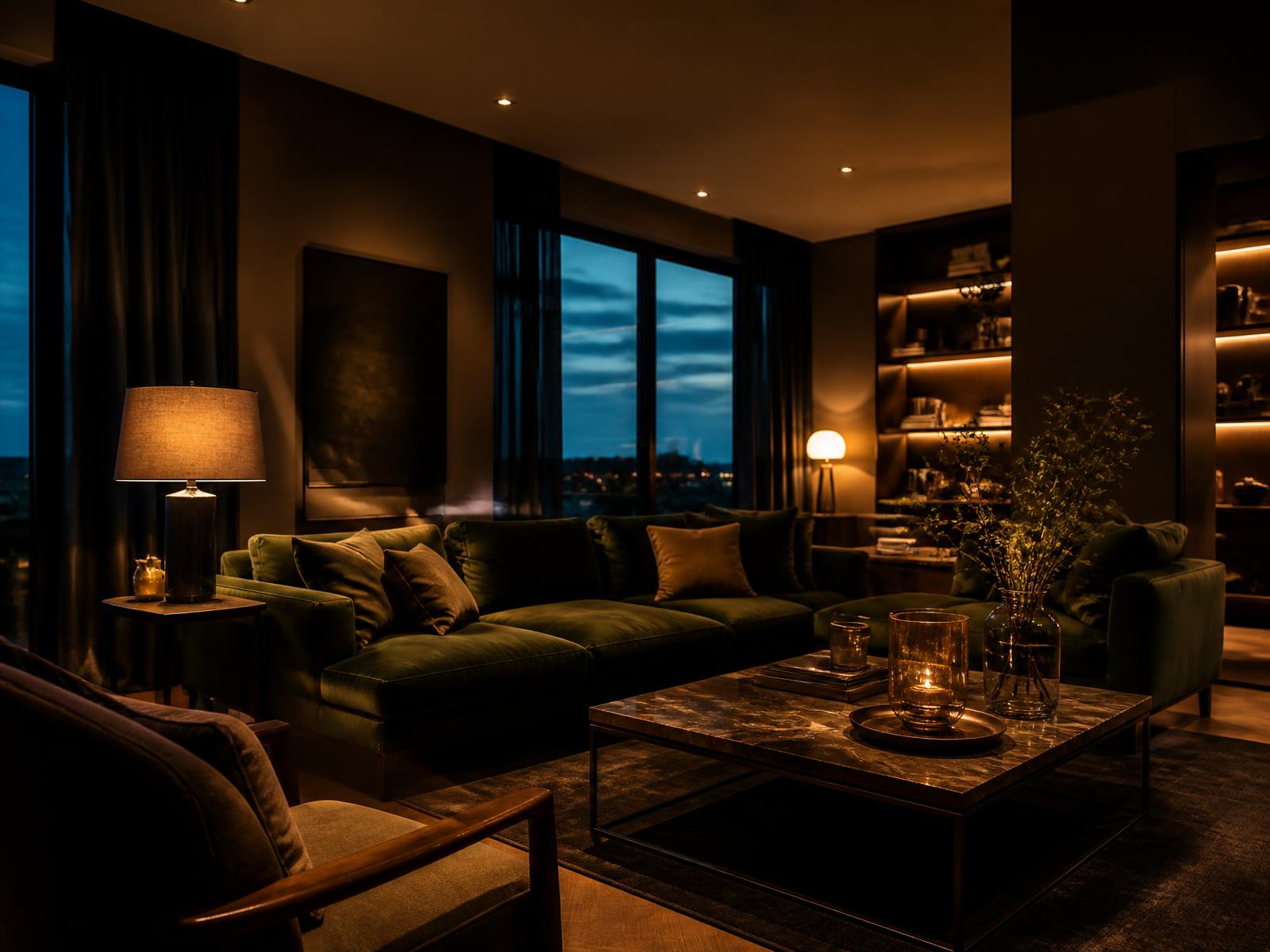
Lighting used to be simple. For most of human history, light sources were limited to the sun, the moon, and fire. Over time, window shades, candles, and eventually incandescent bulbs reshaped how we lit our homes. Since incandescent bulbs rely on a heated filament, they emit a natural, warm glow similar to a flame. Because our circadian rhythms have always responded to these soft, fire-based light sources, this warmer light naturally signaled to our bodies that it was time to wind down.
That dynamic shifted significantly with the widespread adoption of energy-efficient LED lighting. While LEDs drastically reduced energy consumption, early consumer options introduced unexpected challenges to home environments. Inferior LEDs can suffer from sub-perceptual flickering — especially when paired with incompatible dimmers — and many early bulbs produced a harsh, clinical light that looked vastly different from traditional incandescents.
The primary factor behind this visual difference is color temperature, measured in Kelvins (K). Incandescent bulbs naturally produced a broad light spectrum that rendered colors warmly and comfortably without any extra configuration. With LEDs, however, homeowners must intentionally select the right color temperature for each space.
Natural sunlight changes throughout the day, and our bodies are tuned to those shifts:
2700K (Warm White): Replicates the warm, golden glow of sunset. It encourages melatonin production, making it ideal for bedrooms, living rooms, and evening relaxation.
3000K (Soft White): A slightly crisp, clean light that works exceptionally well for kitchens, hallways, and general living spaces without feeling overly clinical.
5000K (Daylight): Mimics bright midday sun. While high in blue light spectrum — which boosts alertness and cortisol — it casts a cool, bluish hue that flattens natural skin tones. It is best suited for garages or task-heavy workspaces, but generally avoided in bathrooms and bedrooms where softer tones are preferred.
To bridge the gap between efficiency and natural comfort, modern lighting technology has evolved beyond single-temperature bulbs. "Warm dim" technology allows LEDs to shift to a warmer color temperature as they are dimmed, closely mimicking classic incandescent behavior. For a fully automated approach, tunable lighting systems adjust light color and intensity automatically throughout the day to mirror the natural path of the sun.
Selecting the right color temperature transforms how a home looks and feels, helping create an environment that supports both productivity during the day and restorative rest at night.
Believe it or not, I have merely scratched the surface of LED lighting, color temperature, and all of the new tech behind all of this. Feel free to give me a shout to learn more, or check out Lutron Ketra, Proluxe, and DMF, just to name a few companies trying to educate us all about the abhorrence of LED wafer lights and more.
Written by
Michael Buckner